

Brake Pad Type Differences: How Different Materials Affect Usage Experience
Currently, brake pads on the market are mainly classified based on the material of their friction layer. Different materials vary significantly in performance, service life, and price, so car owners need to make selections based on their vehicle type, driving habits, and usage scenarios:
Semi-Metallic Brake Pads
Material Characteristics: The friction layer contains 30%-60% metal powder (such as steel, iron, copper), combined with resin and mineral fibers, resulting in relatively low cost.
Performance Advantages: Excellent high-temperature resistance (thermal decay temperature is approximately 500℃) and stable braking performance, making them suitable for urban road conditions with frequent braking or heavy-duty vehicles.
Disadvantages and Limitations: The hard metal material tends to wear down brake discs easily. Additionally, it produces relatively loud noise during braking (especially in low-temperature environments). It also has higher requirements for the thermal conductivity of wheel hubs, which may accelerate hub aging.
Applicable Scenarios: Economical family cars, trucks, SUVs, and other vehicle models that prioritize cost-effectiveness and durability.
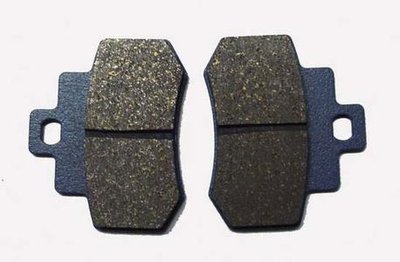
Ceramic Brake Pads
Material Characteristics: The main friction materials are ceramic fibers and ceramic powder. They contain no metal components or only a small amount of copper powder. The manufacturing process is more complex, leading to a higher price.
Performance Advantages: Stable friction coefficient (little variation between low and high temperature ranges), extremely low braking noise (almost no harsh squealing), low wear rate (service life is 1.5-2 times that of semi-metallic brake pads), and no metal dust generation, which helps keep wheel hubs clean. Meanwhile, the good heat insulation of ceramic materials can reduce high-temperature damage to calipers and bearings.
Disadvantages and Limitations: Low-temperature braking performance is slightly inferior to that of semi-metallic brake pads (lower low-temperature friction coefficient). The price is usually 50%-100% higher than that of semi-metallic brake pads, and they are not suitable for scenarios involving extreme heavy loads or frequent emergency braking.
Applicable Scenarios: Mid-to-high-end family cars, luxury sedans, new energy vehicles, and other models that prioritize quietness, comfort, and wheel hub cleanliness.
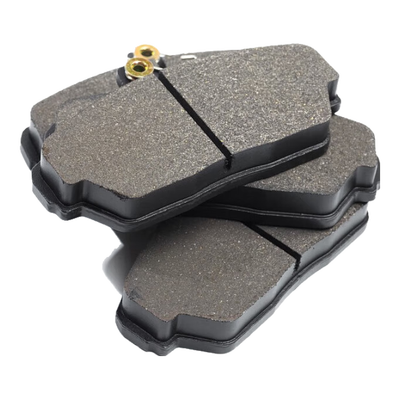
Non-Asbestos Organic (NAO) Brake Pads
Material Characteristics: The main components are resin, plant fibers, and mineral fibers. They do not contain carcinogenic asbestos (traditional asbestos brake pads have been banned) and are classified as environmentally friendly materials.
Performance Advantages: Soft texture, minimal wear on brake discs, low braking noise, good low-temperature braking performance, and cost that falls between semi-metallic and ceramic brake pads.
Disadvantages and Limitations: Poor high-temperature resistance (thermal decay temperature is approximately 300-400℃), prone to performance degradation during continuous braking, short service life (about 70% of that of semi-metallic brake pads), and unsuitable for high-temperature or high-load working conditions.
Applicable Scenarios: Low-speed utility vehicles, older vehicle models, or vehicles mainly driven on suburban roads with low braking frequency.


