

Beyond the Pedal: The Science, Materials, and Maintenance of Brake Pads
The Fundamentals: How Brake Pads Work
The process begins when you press the brake pedal. This activates the master cylinder, forcing brake fluid through hydraulic lines. The fluid pressure pushes pistons within the brake calipers, located at each wheel. These pistons clamp the brake pads against a rotating metal disc (rotor) attached to the wheel. The friction material on the pad grips the rotor surface, generating immense heat and creating the force that slows the wheel's rotation, ultimately stopping the vehicle. This intense friction causes the pad material to wear down gradually over time, necessitating replacement.

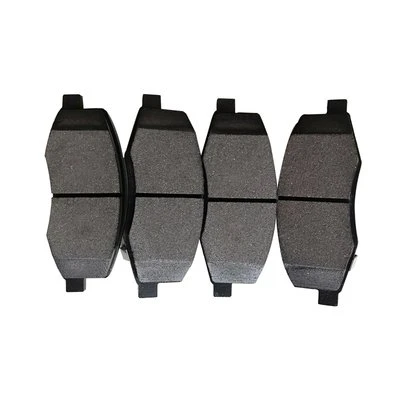
Key Components of a Brake Pad:
1. Friction Material: The business end of the pad. A complex composite mixture bonded to the backing plate. Formulations are proprietary and determine performance characteristics (noise, dust, wear, bite, fade resistance).
2. Backing Plate: A rigid steel plate that provides structural support, transfers clamping force from the caliper piston evenly to the friction material, and often includes features for attachment and noise damping.
3. Shims / Insulators: Thin layers (metal, rubber, adhesive) placed between the backing plate and the caliper piston. Their primary function is to dampen vibrations that cause brake noise (squeal).
4. Wear Indicator: A small metal tab designed to make a high-pitched squealing noise when the friction material wears down to a critical minimum thickness, signaling the need for replacement. Some modern vehicles use electronic sensors.
Types of Brake Pad Friction Materials:
The choice of friction material significantly impacts performance, noise, dust, rotor wear, and cost. The main categories are:
1. Organic (Non-Asbestos Organic - NAO):
Composition: Originally used asbestos (banned now). Modern NAO pads use fibers like glass, rubber, Kevlar, carbon, and resins bonded with organic materials.
Pros: Generally quiet operation, smooth initial bite, low rotor wear, affordable.
Cons: Wear faster than other types, produce moderate dust, performance can degrade significantly under high heat (fade), not ideal for heavy vehicles or aggressive driving.
Best For: Everyday commuter cars, light-duty driving.
2. Semi-Metallic:
Composition: 30% to 65% metal (steel, iron, copper) mixed with graphite lubricants and organic fillers.
Pros: Excellent heat dissipation, good fade resistance, durable (longer life than NAO), strong performance across a range of temperatures, cost-effective for performance.
Cons: Can be noisier than NAO, produce more visible black dust (can stain wheels), may cause increased rotor wear, require higher pedal effort in very cold conditions.
Best For: Performance vehicles, heavier cars (SUVs, trucks), towing, drivers seeking a balance of performance and durability.
3. Ceramic:
Composition: Ceramic fibers, non-ferrous filler materials, bonding agents, and sometimes small amounts of embedded copper or other metals.
Pros: Very quiet operation, produce minimal light-colored dust (easy to clean), stable performance across wide temperature ranges, low rotor wear, long lifespan, consistent pedal feel.
Cons: Higher cost, can have slightly less initial cold bite than semi-metallic, generally less aggressive friction coefficient under extreme track conditions (though high-performance ceramics exist).
Best For: Most modern passenger cars, luxury vehicles, drivers prioritizing clean wheels, quietness, and smooth braking. Increasingly popular for EVs.
4. Low-Metallic NAO:
Composition: Similar to NAO but with a small percentage (10-30%) of metal (usually copper or steel) added to improve heat transfer and fade resistance.
Pros: Better fade resistance and heat dissipation than standard NAO, often quieter than semi-metallic, less dust than semi-metallic.
Cons: More dust than full ceramic, still wears faster than semi-metallic or ceramic, potential for noise.
Best For: Drivers seeking a middle ground between NAO comfort and semi-metallic performance.
Factors Influencing Brake Pad Life:
Pad lifespan varies dramatically based on:
Driving Habits: Aggressive driving (hard acceleration and braking) significantly shortens pad life. City driving (stop-and-go traffic) wears pads faster than highway cruising.
Vehicle Weight: Heavier vehicles (SUVs, trucks) put more strain on brakes.
Environment: Mountainous terrain requires more braking than flat roads. Exposure to road salt can accelerate corrosion.
Pad Material Type: Ceramic generally lasts longest, followed by semi-metallic, then organic.
Brake System Health: Sticking calipers or worn rotors can cause uneven or accelerated pad wear.
Quality of Parts: Premium pads often use more durable materials and better engineering.
Importance of Proper Maintenance:
Regular Inspection: Have your brake pads inspected visually and measured for thickness (including the inner pad, which often wears faster) at least once a year or as recommended by your vehicle manufacturer. Don't wait for the squeal!
Timely Replacement: Worn pads reduce stopping power, damage rotors (increasing repair cost), and compromise safety. Replacing pads before they wear down to the backing plate is crucial.
Rotor Resurfacing/Replacement: Worn or damaged rotors must be addressed when replacing pads. Glazed or scored rotors prevent new pads from bedding in properly, leading to noise and reduced performance.
Brake Fluid Flush: Brake fluid absorbs moisture over time, reducing its boiling point and potentially causing brake fade. Flushing according to the manufacturer's schedule is vital for system performance and safety.
Professional Installation: Proper installation, including cleaning and lubricating caliper slide pins/contact points, is essential for even wear, noise prevention, and safety.
Choosing the Right Brake Pads:
Consult your owner's manual or a trusted mechanic. Consider:
1. Vehicle Manufacturer Specifications: OE equivalent pads ensure compatibility.
2. Driving Style & Conditions: Match the pad type to your needs (e.g., ceramic for daily commuting, performance semi-metallic for spirited driving).
3. Priorities: Rank noise level, dust, longevity, initial bite, and cost according to your preferences.
4. Quality & Brand Reputation: Opt for reputable brands known for quality materials and consistent manufacturing.
Brake pads are a vital safety system component. Understanding their function, the different types available, and the importance of regular inspection and maintenance empowers drivers to make informed decisions, ensuring their vehicle stops reliably and safely mile after mile.


