

Brake Pad Factory Knowledge: Manufacturing Process, Material Types & Quality Standards Explained
Meta description: Learn how a professional brake pad factory makes high-quality pads-from mixing, pressing, curing to testing; compare ceramic, semi-metallic, NAO materials & global standards. Word count: ~800 For automotive professionals, distributors, and buyers, understanding how a professional brake pad factory operates is essential to selecting reliable, high-performance products. Brake pads are the most critical safety components in a vehicle's braking system, directly affecting stopping distance, driving comfort, and overall safety. This guide explains the core manufacturing process, main friction material types, and key quality standards used in a modern brake pad factory, helping you make informed purchasing decisions.
Brake Pad Factory: Core Manufacturing Process A high-quality brake pad factory follows a strict 7-step production flow to ensure precision and consistency: 1. Raw Material Mixing Friction materials (fibers, metals, resins, modifiers) are blended in high-shear mixers under precise temperature and timing control, ensuring uniform distribution and avoiding pre-curing.
2. Steel Back Preparation Steel plates (backing plates) are stamped, cleaned, blasted, and coated with high-strength adhesive to enhance bonding with friction material.
3. Hot Pressing The mixed compound is placed on the steel back and pressed under 150–300 tons of pressure at 150–180°C, forming a solid pad blank and initiating resin bonding.
4. Curing (Heat Treatment) Pads are baked in ovens for 4–12 hours at 200–250°C to fully polymerize the resin, improving shear strength, heat resistance, and structural stability.
5. Finishing (Grinding, Slotting, Chamfering) Pads are ground to precise thickness, with slots and chamfers cut to reduce noise, improve heat dissipation, and prevent thermal cracking.
6. Noise Reduction & Coating Anti-noise shims, anti-rust coatings, and high-temperature paints are applied to minimize NVH and extend service life.
7. Rigorous Quality Testing Every batch undergoes dynamometer friction testing, SAE J2521 noise testing, shear strength testing, wear testing, and dimension inspection before packaging.
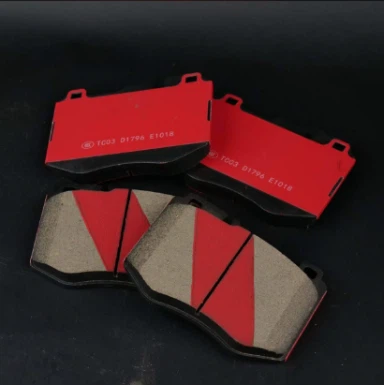
Main Brake Pad Material Types Used in Factories Professional brake pad factories produce three primary formulations, each designed for specific applications: - Ceramic Brake Pads Made of ceramic fibers, non-ferrous metals, and modifiers. Advantages: ultra-low noise, low dust, long lifespan, rotor-friendly, stable performance in high temperatures. Best for: passenger cars, luxury vehicles, daily commuting. - Semi-Metallic Brake Pads Contain 30–60% steel/iron fibers, plus graphite and modifiers. Advantages: excellent heat dissipation, high friction coefficient, durable, suitable for heavy loads. Best for: SUVs, trucks, commercial vehicles, high-speed driving. - NAO (Non-Asbestos Organic) Brake Pads Organic fibers (aramid, cellulose) with mineral modifiers, no steel fibers. Advantages: quiet, smooth, low dust, eco-friendly. Best for: small cars, light-duty vehicles, European/Japanese aftermarket.
Key Quality Standards for Global Brake Pad Factories To supply global markets, a professional brake pad factory must comply with these critical standards: - IATF 16949: Automotive quality management system (required for OE supply). - ECE R90: EU safety standard for brake pads (mandatory for Europe). - AMECA/AASA: North American certification for aftermarket safety. - SAE J2521: NVH noise testing standard (ensures quiet performance). - SAE J2975: Friction material performance standard for North America.
Conclusion A reliable brake pad factory combines advanced automation, strict material control, professional formulation R&D, and full compliance with global standards to produce safe, durable, and high-performance brake pads. Whether you need ceramic brake pads for daily driving or semi-metallic brake pads for heavy-duty use, choosing a certified factory with mature processes and testing capabilities is the key to quality and safety. Keywords: brake pad factory, brake pad manufacturing process, ceramic brake pads, semi-metallic brake pads, NAO brake pads, brake pad quality standards, IATF 16949, ECE R90, brake pad NVH testing.


