

Brake Pad NVH Technology Guide: Why Damping Accessories Matter & How Brake Pad Factory Solve Shim Peeling Failure
For auto parts distributors worldwide, abnormal braking noise and damping shim falling off belong to the most frequent aftersales complaints about brake pads. Many buyers only focus on friction material performance while ignoring the importance of auxiliary structural parts. As an experienced brake pad factory with complete in-house R&D and testing equipment, we systematically explain NVH related knowledge to help importers select suitable brake pad solutions and reduce customer return rates.
Noise, vibration and harshness (NVH) directly determine end-user experience. Brake squeal, rattle and vibration usually occur during low-speed gentle braking. Multi-layer composite damping shims are the most widely adopted noise reduction component. These shims are bonded on steel back surfaces to absorb vibration generated between caliper and brake pads during operation. However, for special brake pad models fitted with left and right metal guide sliders, repeated shear force under frequent braking creates huge challenges for adhesive strength. Under continuous vibration, traditional adhesive shims easily warp, peel off and lose noise reduction function, which triggers customer dissatisfaction.
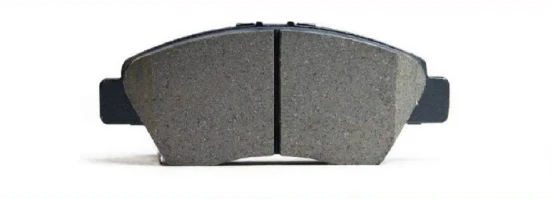
Two mainstream technical routes exist to tackle shim failure problems in production. The first solution is process optimization for composite damping shims: steel back surface polishing, high-temperature activation of special adhesive and edge compression treatment improve bonding durability. This method retains excellent silent performance, but cannot completely eliminate peeling risks under extreme working conditions with strong shear force. The second route is replacing adhesive shims with integrated stainless steel damper covers installed via mechanical clamping. Without dependence on glue, this design fundamentally prevents accessories falling off. It should be noted that stainless steel damping covers deliver slightly weaker noise suppression performance compared with multi-layer composite shims, so factories need to adjust friction formula accordingly to balance NVH performance.
Many clients ask whether stacking composite shims and steel damping covers can achieve perfect results. Professional brake pad factories do not recommend this assembly method. Double damping structures increase overall thickness of brake pads, which may cause brake drag, caliper return failure and new abnormal noise risks. In addition, such non-standard assembly fails to match original caliper dimensional tolerance, leading to frequent installation complaints from repair workshops. Buyers must choose one technical solution according to local market positioning: prioritize quietness to retain composite shims or focus on long-term stability to adopt snap-on stainless steel damping covers.
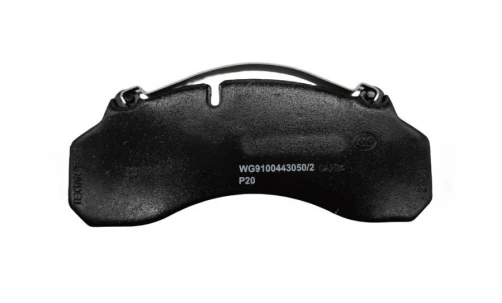
Standardized dynamometer testing is essential to verify NVH performance. Reliable brake pad factories carry out full-cycle noise simulation tests before mass production, simulating different temperature ranges and load conditions to inspect damping accessory durability. Cheap untested brake pads often pass initial inspection but develop noise failures after short mileage, damaging distributors' local market reputation.
When sourcing brake pads from factories, importers are advised to clearly communicate local road conditions, mainstream vehicle models and end-user preference: whether buyers prioritize silent performance or long service life without accessory falling faults. Our brake pad factory supports customized structural solutions, matching suitable damping accessories for each OE reference according to working condition characteristics. If you have ongoing trouble with brake pad noise or shim peeling issues, feel free to send us target model numbers. Our technical team can provide targeted product improvement solutions and formal quotations for your market.


