

Core Classification: Friction Materials Determine Performance Positioning
The performance differences of brake pads essentially stem from the formulation of friction materials. Currently, mainstream products are classified into four categories by material, adapting to the needs of different scenarios:
1. Metallic Brake Pads (Semi-Metallic / Low-Metallic)
Core Composition: Contains 30%-65% metal fibers (copper, iron, steel wool, etc.) mixed with graphite and resin binders; low-metallic types have a metal content of less than 20%.
Key Characteristics: Strong braking force, high temperature resistance (excellent thermal conductivity), and outstanding wear resistance. However, they produce relatively high noise and excessive dust (black dust that easily soils wheel hubs), and cause more significant wear to brake discs.
Application Scenarios: Performance cars, racing cars, heavy-duty trucks, and SUVs. Particularly suitable for high-intensity braking requirements such as downhill driving in mountainous areas and full-load operation.
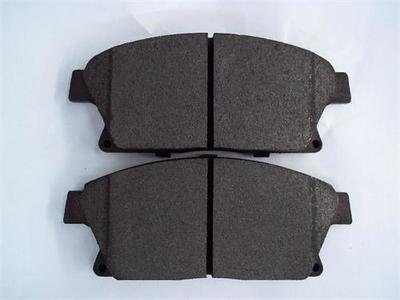
2. Non-Asbestos Organic (NAO) Brake Pads
Core Composition: Non-metallic organic materials including glass fiber, aramid (Kevlar), and carbon materials, divided into low-metallic and zero-metallic subtypes.
Key Characteristics: Quiet braking, friendly to brake discs, and low dust emission. However, they have weak high-temperature resistance, are prone to thermal fading during prolonged high-intensity braking, and have a shorter service life.
Application Scenarios: Original equipment standard for the vast majority of family cars and urban SUVs. Suitable for mild working conditions such as daily commuting and urban driving.
3. Ceramic Brake Pads
Core Composition: Ceramic fibers, non-ferrous fillers, and high-performance binders, with a small amount of non-ferrous metals (such as copper) to improve thermal conductivity.
Key Characteristics: All-round performer - stable friction coefficient (no obvious thermal fading from -40℃ to 700℃), excellent noise reduction effect, minimal dust emission (light-colored dust that does not soil wheel hubs), low wear to both themselves and brake discs, and long service life.
Application Scenarios: High-end luxury models and car owners who value driving experience. Balances daily use and occasional high-intensity braking needs.
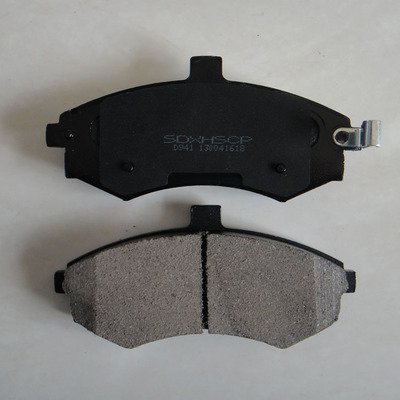
4. Carbon-Ceramic Composite Brake Pads
Core Composition: Super-high temperature composite material made of carbon fiber and silicon carbide, requiring matching carbon-ceramic brake discs for use.
Key Characteristics: Peak performance - high temperature resistance up to 3000℃, no thermal fading, and extremely light weight. However, they have poor low-temperature braking performance and are expensive (a complete system costs tens of thousands to hundreds of thousands of US dollars).
Application Scenarios: Supercars, professional racing cars, and aerospace fields. Not suitable for daily street driving.


