

Inside a Brake Pad Factory: How High‑Performance Brake Pads Are Made
As a core safety component of a vehicle's braking system, the quality of brake pads directly affects stopping distance and driving safety. In a professional brake pad factory, the journey from raw materials to finished product goes through dozens of steps: formula design, mixing, pressing, high‑temperature curing, precision grinding, and multiple performance tests. This article takes you into a modern brake pad factory to reveal the technology behind a set of high‑quality brake pads.
Step 1: Formula Development – The Foundation of Performance
A reputable brake pad factory usually has its own materials laboratory. Technicians adjust the proportions of resin, fibers, fillers, and friction modifiers based on vehicle type, driving habits, and regulatory requirements (such as ECE R90 and low‑copper environmental standards). Ceramic formulas focus on quiet operation and low dust, while semi‑metallic formulas emphasize high‑temperature stability.
Step 2: Mixing & Pressing – Shaping the Key Components
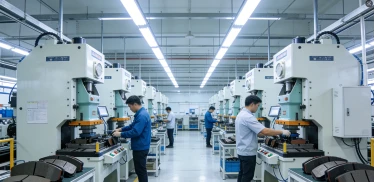
High‑precision automatic batching systems ensure batch‑to‑batch consistency. After preforming, the friction mixture is pressed together with the steel backing (which has undergone shot blasting and adhesive coating) under high temperature and pressure. An advanced brake pad factory continuously monitors pressure, temperature, and time curves to prevent internal voids or insufficient bonding strength.
Step 3: Curing & Grinding – Achieving Stable Performance
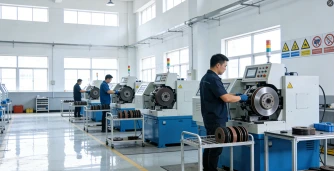
The pressed semi‑finished pads undergo stepped‑temperature heat treatment in large curing ovens, allowing the resin to fully cross‑link and eliminating the risk of thermal expansion. Next, CNC double‑disc grinding machines control the thickness of the friction material within ±0.05 mm, ensuring a perfect fit and smooth braking after installation.
Step 4: Rigorous Testing – Every Pad Must "Graduate"
Before leaving the factory, finished products must pass multiple verification tests. Inertia dynamometers simulate braking under different speeds and temperatures to evaluate friction coefficient fade, recovery, and wear rates. Noise testing rooms use NVH analysis to minimize the risk of noise and vibration. A reliable brake pad factory also conducts random durability checks such as salt spray corrosion and shear strength tests.
Why Choosing a Quality Factory Matters
For distributors and fleets, partnering with a brake pad factory that holds IATF 16949 quality management certification and has OE manufacturing experience means stable delivery, full batch traceability, and fewer after‑sales warranty claims. Braking safety is a matter of life and death – controlling quality at the source is the only way to truly protect every driver.


