

Understanding Brake Pad Friction Ratings: What Those Letters on Your Brake Pads Actually Mean
When purchasing brake pads, many consumers notice a two-letter code printed on the packaging or on the pad itself, such as FF, GG, or EF. These letters represent the brake pad's friction coefficient rating, a standardized classification system that provides important information about the pad's performance characteristics. Understanding these ratings helps vehicle owners make informed purchasing decisions and select brake pads appropriate for their specific vehicle and driving requirements.
What Is a Friction Coefficient Rating?
The friction coefficient rating system classifies brake pad performance based on two distinct temperature ranges. The first letter represents the friction coefficient at normal operating temperatures (approximately 0°C-150°C), while the second letter represents performance at elevated temperatures (approximately 150°C-300°C). This two-letter system provides a clear indication of how the brake pad will perform under both routine and demanding braking conditions.
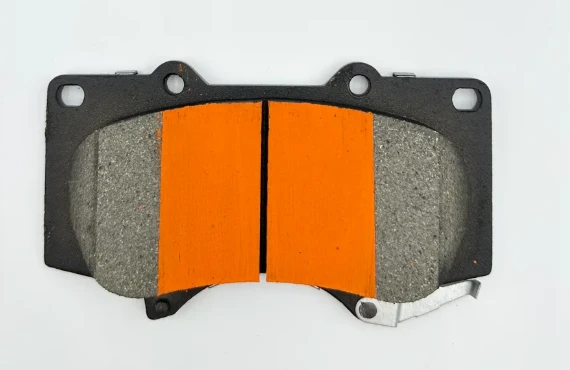
Each letter corresponds to a specific friction coefficient range:
Grade Friction Coefficient Range
E 0.25 - 0.35
F 0.35 - 0.45
G 0.45 - 0.55
What the Ratings Mean for Driving Performance
An FF-rated brake pad (the most common grade for passenger vehicles) maintains a friction coefficient between 0.35 and 0.45 across both temperature ranges. This provides balanced stopping power with predictable brake pedal feel under most driving conditions, making FF pads an excellent choice for everyday commuting and general-purpose driving.
A GG-rated pad delivers higher friction (0.45-0.55) and stronger braking force, beneficial for performance vehicles, heavy SUVs, and applications requiring maximum stopping power. However, higher friction ratings often come with trade-offs including increased noise, more brake dust, and accelerated rotor wear. Performance-oriented drivers may accept these trade-offs for enhanced braking capability.
EE-rated pads offer lower friction levels (0.25-0.35), typically found on older vehicles or specific applications where lighter braking force is specified. These pads generally produce less dust and noise but may not provide sufficient stopping power for modern, heavier vehicles.
EF or FG ratings indicate asymmetric performance, with different friction characteristics at normal versus high temperatures. Such asymmetrical ratings, while less common, may be specified for specific vehicle applications requiring tailored performance profiles.
Why the Friction Coefficient Matters
The friction coefficient directly affects a vehicle's stopping distance. A pad with too low a friction coefficient may require excessive pedal pressure to stop, potentially compromising safety in emergency situations. Conversely, a very high friction coefficient can make brake pedal response overly aggressive, reducing driver control during precise braking maneuvers and potentially increasing tire locking tendencies. The optimal friction coefficient depends on vehicle weight, brake system design, and intended usage patterns.
Matching Brake Pads to Your Vehicle
Selecting appropriate brake pads requires matching friction ratings to vehicle specifications and driving needs. Most vehicle manufacturers specify the minimum friction performance required, and aftermarket brake pad factories supply products meeting those specifications. For replacement, it is recommended to choose products with friction ratings matching or exceeding the original equipment specifications to maintain proper brake balance and safety performance.
Quality Matters
While friction rating provides important performance information, it is only one factor in brake pad quality. Products from reputable brake pad factories meet stringent testing requirements, including shear strength validation, wear resistance testing, and NVH (noise, vibration, harshness) evaluation. Certification marks such as IATF 16949 and ECE-R90 provide additional assurance that the brake pads meet international quality and safety standards. When purchasing, always verify that products carry appropriate certification marks and friction ratings, providing confidence that the brake pads will deliver reliable, consistent stopping power throughout their service life.


