

Understanding Brake Pads: The Critical Interface Between Your Car and Safety
Function and Basic Principles
Brake pads are a key part of a disc brake system. When you apply the brakes, hydraulic pressure forces a caliper to clamp down on a rotating disc (or rotor). The brake pads, mounted within the caliper, are the components that make contact with the rotor on both sides. The friction generated between the pads and the rotor is what creates the stopping force. This friction generates immense heat, which the pads and rotor must dissipate effectively. The ability of a pad to maintain its friction coefficient (effectiveness) as it heats up is its most critical performance characteristic, known as resistance to "fade."
Key Brake Pad Materials: The Evolution of Friction
Brake pads are not made of a single material but are a complex mixture of various elements bonded together. The choice of materials creates a balance between performance, noise, dust, rotor wear, and cost. They are generally categorized into three main types:
1. Non-Asbestos Organic (NAO): These were developed to replace dangerous asbestos-based pads. They are composed of a mixture of fibers (like glass, rubber, or Kevlar), bonding resins, and fillers. Pros: They are generally quiet, produce less rotor wear, and are inexpensive. Cons: They tend to wear faster, produce more dust, and can fade under high-temperature, heavy-use conditions like mountain driving or towing. They are best suited for standard passenger vehicles used for light, daily driving.
2. Semi-Metallic: These pads are made from 30% to 65% metals (such as steel, iron, copper, and other alloys) mixed with graphite lubricants and other fillers. Pros: They offer superior heat transfer and fade resistance, making them more effective for performance driving, heavier vehicles, and demanding conditions. They are also more durable than NAO pads. Cons: They are generally noisier, cause more wear to the rotors, and can be less effective at very low temperatures. They are a common OEM fitment for performance cars and SUVs.
3. Ceramic: The premium option on the market today. Ceramic pads are made from a dense ceramic material (like those found in pottery) embedded with copper or other non-ferrous fibers. Pros: They excel in almost every category: they are exceptionally quiet, produce very little light-colored dust (that doesn't stick to wheels), offer stable performance across a wide temperature range, and are easy on rotors. They are also copper-free, making them environmentally friendly. Cons: Their primary disadvantage is cost; they are the most expensive type of pad. While excellent for daily and performance use, they may not be the ideal choice for extreme track conditions where ultra-high operating temperatures are reached.
Choosing the Right Pad and Maintenance Tips
Selecting the correct brake pad is not a one-size-fits-all decision. The best practice is to follow your vehicle manufacturer's recommendations. However, your driving habits should also guide your choice:
· Commuting/Light Duty: NAO or basic ceramic pads are cost-effective and comfortable.
· Performance Driving/Towing: Semi-metallic or high-performance ceramic pads are necessary for their resistance to fade.
· Luxury Vehicles: Ceramic pads are ideal to maintain quiet operation and keep wheels clean.
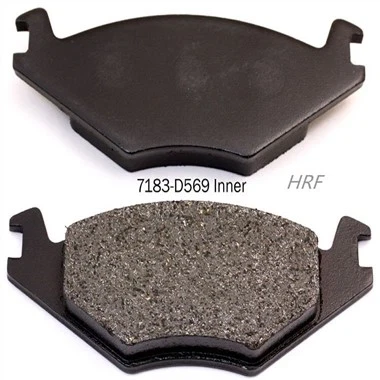
Maintenance is straightforward:
· Listen: Squealing or grinding noises are often the first sign of worn pads.
· Look: If you see your brake warning light or notice a significant decrease in brake fluid, have your brakes inspected.
· Feel: A soft, spongy pedal or vibration when braking indicates a problem.
· Check: Have your brake pads inspected by a professional at least once a year or during every oil change. Most pads have a wear indicator-a small metal tab that creates audible squeal when the pad is thin.
In conclusion, brake pads are a sophisticated safety system. By understanding the technology and materials behind them, drivers can ensure their vehicle remains safe, efficient, and performing as intended, protecting themselves, their passengers, and everyone else on the road.


