

2026 Brake Pad Industry Shifts: EV Adaptation, Copper-Free Mandates And Smart Sensing Reshape The Market
March 13, 2026 – The global brake pad industry is undergoing a profound transformation driven by the rapid popularization of electric vehicles (EVs), stringent environmental regulations, and the integration of intelligent technologies, according to the latest industry reports. This shift is not only redefining product standards but also reshaping the competitive landscape, with green innovation and EV-specific optimization becoming the core drivers of growth.
A key trend in 2026 is the accelerated adoption of copper-free and low-dust formulations, spurred by global environmental policies. The EU's (EU) 2020/1677 regulation, which enforces a PM10 emission limit of ≤7mg/km for new vehicle brakes since 2025, and California's AB343 bill, mandating a complete copper ban (copper content ≤0.5%) by 2025, have pushed manufacturers to abandon traditional copper-based friction materials. Major players including ZF's TRW brand have upgraded their product lines to meet these standards, with copper-free compounds that reduce wheel and caliper contamination while maintaining stable braking performance. Meanwhile, China is accelerating the third revision of GB5763, proposing mandatory limits for heavy metal content and microplastic release, which is expected to align with EU standards by 2028.
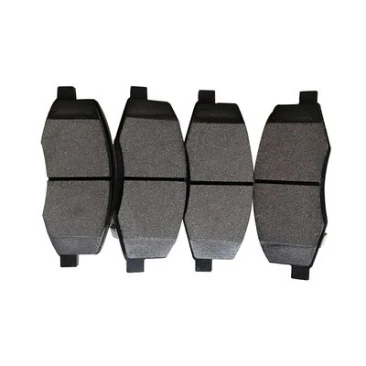
The rise of EVs is another game-changer, as regenerative braking systems reduce the frequency of mechanical brake use to 30-50% of that in fuel-powered vehicles, creating new demands for brake pad performance. EV-specific brake pads now prioritize low-temperature response, extreme quietness, and lightweight backplates to adapt to high-torque, low-frequency braking conditions. ZF's TRW has expanded its brake pad range for electric motorcycles by 38%, covering models such as the BMW CE 04 and Kawasaki Ninja e-1, while ceramic-based pads have captured 67.4% of the EV OEM supporting market due to their superior heat resistance and low noise characteristics.
Intelligent integration is also emerging as a new competitive edge. Leading manufacturers like Bosch have launched iDisc smart brake pads integrated with temperature sensors and wear-monitoring chips, which transmit real-time data to the vehicle's ECU and trigger alerts when the friction material thickness drops below 2mm. This "Brake-as-a-Service" model not only enhances safety but also extends the service life of brake pads by 15% on average, opening up new revenue streams for the industry.
Regionally, Asia-Pacific leads the growth, with China accounting for 35% of the global market share, supported by its complete supply chain and surging EV production. However, high-end ceramic brake pad production still relies on imports in some regions, while Europe and North America focus on high-performance and eco-friendly products, leveraging technological patents to maintain a premium advantage. The global brake pad market is expected to reach $99.3 billion by 2028, with a CAGR of 5.2%, driven by these trends.


