

How To Choose Brake Pads? A 5-Step Consumer Guide
Brake pads are critical to vehicle safety, but the market is flooded with products ranging from budget options (under $10) to premium ones (over $150). Without expertise, consumers risk buying incompatible or low-quality parts. Here's a practical guide to selecting, purchasing, and installing brake pads wisely.
Step 1: Confirm Compatibility – Avoid Mismatched Parts
Brake pads are not universal. Even within the same brand, sizing and groove designs can vary across models or production years.
- Check OEM codes:
Find the original part number in your vehicle manual, on the old brake pad label (e.g., "ATE 13.0460-4879.2"), or via brand websites.
- Use fitment tools:
Input your license plate or model on e-commerce platforms (e.g., Amazon Auto, RockAuto) for auto-matching, but cross-verify with OEM data.
-Note details:
Some models require "sensor-equipped pads" or "AWD-specific designs"-confirm with the seller.
Red flags:
Sellers claiming "universal fit" may be pushing low-quality rebranded products. Aftermarket brake systems require professional calibration to avoid caliper-pad mismatches.
Step 2: Choose Material Based on Needs – Don't Overspend
Brake pad materials dictate performance, but the most expensive option isn't always the best. Match the type to your driving habits:
|
Materia |
Best For |
Price Range (per axle set) |
|
Semi-Metallic |
Daily commuting, light-duty driving |
$15–$45 |
|
Low-Metallic |
Mixed highway/city driving, moderate performance |
$30–$70 |
|
Ceramic |
Stop-and-go traffic; low noise/dust |
$60–$150 |
|
Racing |
Stop-and-go traffic; low noise/dust |
$120–$450 |
Key considerations:
- Urban driving: Prioritize ceramic for quiet operation.
- Mountain/heavy loads: Opt for high-temperature-resistant low-metallic or premium ceramic pads.
- EVs: Use OEM-specified pads (designed for heavier weight and regenerative braking).
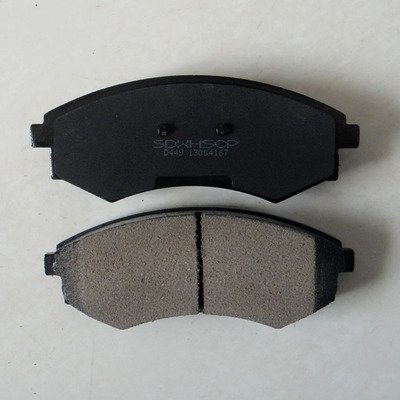
Step 3: Trustworthy Brands – Avoid Counterfeits
Global brands (premium quality, higher cost):
- BOSCH: Wide OE compatibility, budget-friendly.
- Ferodo: Supplier to Ferrari/Tesla, superior durability.
- Brembo: High-performance leader, ideal for modified cars.
Cost-effective Chinese brands:
- Gold Phoenix (Jinlin): Ceramic pads meet EU/US standards.
- XINYI: Major OEM supplier in China.
- Hangzhou Friction: Specializes in commercial vehicles.
Anti-fraud tips:
- Verify authenticity: Scan QR codes on packaging (e.g., Brembo's traceability system).
- Inspect details: Genuine pads have smooth edges, clear steel plate engravings.
- Avoid "no-name" products: Reject pads lacking production dates, compliance labels (e.g., China GB 5763), or manufacturer info.
Step 4: Purchase Channels – Balance Cost and Reliability
|
Channel |
Pros |
Cons |
|
Dealerships |
OEM parts, includes installation |
50–200% markup |
|
E-commerce platforms |
Price transparency, warranties |
Installation extra fee |
|
Auto parts stores |
Hands-on inspection, bargaining |
Risk of refurbished/fake parts |
|
Repair shops |
One-stop service |
Potential bait-and-switch |
Smart buying:
- Luxury cars/new owners: Prioritize dealerships or brand flagship stores.
- Budget-conscious: Buy during sales (e.g., Black Friday) with "free installation" offers.
- Enthusiasts: Source from certified tuners and request material test reports.
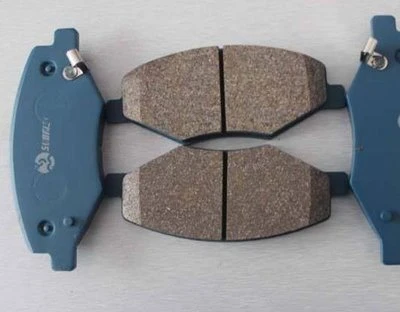
Step 5: Installation & Inspection – Protect Your Investment
Poor installation can cause noise, uneven wear, or failure:
1. Must-do steps:
- Inspect brake discs (replace if grooves exceed 1.5mm depth).
- Apply anti-squeal lubricant to prevent noise.
- Bleed brake lines to remove air bubbles.
2. Post-installation checks:
- Test for abnormal noises during low-speed braking.
- Verify ABS activation during hard stops (pedal should pulsate).
3 Common Myths Debunked
1."Thickness alone determines replacement": Pads older than 3 years may crack due to aging, even if thick enough.
2. "OEM parts are always superior": Some automakers use cost-cutting third-party pads-upgrade to high-end alternatives.
3. "Expensive = safer": Racing pads perform poorly at low temperatures and wear faster in daily driving.
Final Tips
Choosing brake pads is about balancing safety, compatibility, and value. Avoid price-driven decisions-focus on fitment, driving needs, and brand trust. Inspect your braking system every 6,000 miles and replace worn components promptly. Remember: Quality brakes don't just stop your car; they protect lives.


