

Brake Pads Demystified: A Comprehensive Guide to Types, Materials, and Function
Brake pads are a fundamental component of a vehicle's disc braking system, serving as the crucial sacrificial element that converts kinetic energy into thermal energy, thereby slowing or stopping the car. Understanding their composition, types, and performance characteristics is essential for both safety and informed vehicle maintenance.
Basic Function and Construction
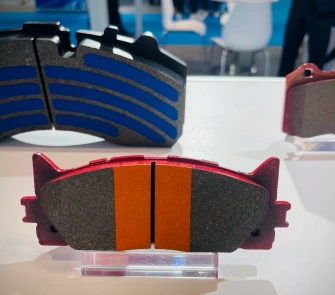
In a disc brake system, when the driver presses the brake pedal, hydraulic pressure forces a caliper to clamp a pair of brake pads against a rotating metal disc (rotor). The resulting friction generates immense heat and slows the rotor-and the wheel attached to it. A typical brake pad consists of several layers:
1. Backing Plate: A steel plate that provides structural integrity and transmits the clamping force.
2. Friction Material: The heart of the pad, a complex composite mixture bonded to the backing plate. This material is engineered for optimal friction, wear resistance, and thermal management.
3. Shims: Often added between the backing plate and caliper piston to dampen vibrations and reduce brake noise (squeal).
4. Wear Sensor: On many modern vehicles, a small metal tab that contacts the rotor and emits an audible squeal when the pad material is nearly depleted, signaling the need for replacement.
Key Performance Metrics
Brake pads are evaluated on a delicate balance of properties:
· Friction Coefficient (µ): Measures "grip." A higher µ provides more stopping power but can be harder to modulate. Pads are often graded on a "GG" to "HH" scale for cold and hot friction.
· Wear Rate: How quickly the friction material deteriorates.
· Rotor Friendliness: Some harder materials can be abrasive and cause excessive rotor wear.
· Noise: The propensity to generate squeals, squeaks, or groans.
· Dust: The amount of particulate debris released during braking, which can coat wheels.
· Heat Fade Resistance: The ability to maintain consistent friction performance as temperatures rise during aggressive or prolonged braking.
Primary Types of Brake Pad Materials
The composition of the friction material defines the pad's character. The four main categories are:
1. Non-Asbestos Organic (NAO): Made from a blend of fibers (glass, rubber, Kevlar), fillers, and friction modifiers bonded with resin. They are generally softer, quieter, and gentle on rotors. However, they wear faster, produce more dust, and can fade under high temperatures. Common in everyday passenger vehicles for their comfort and low cost.
2. Semi-Metallic: Contain 30% to 65% metal by weight (steel, iron, copper) mixed with graphite lubricants and fillers. They offer excellent heat dissipation, strong fade resistance, and good longevity, making them a popular choice for performance-oriented driving and heavier vehicles like trucks and SUVs. Downsides include increased rotor wear, more noise, and poorer cold-weather performance until warmed up.
3. Low-Metallic NAO: A hybrid, containing a small amount of metal (usually 10-30%) within an organic matrix. They strike a middle ground, offering better heat transfer and performance than full NAO pads with less noise and rotor wear than full semi-metallics. They can, however, be dustier.
4. Ceramic: The premium choice for most modern applications. Composed of ceramic fibers, non-ferrous filler materials, and bonding agents. They excel in providing quiet, smooth braking with extremely low dust and exceptional stability across a wide temperature range. They are also very gentle on rotors. Historically, their weakness was a lower coefficient of friction at very high track-level temperatures and higher cost. Advances have significantly closed this performance gap, making them the OE choice for many luxury and EV models.
Choosing the Right Brake Pad
Selecting pads is not about finding the "best" but the "most appropriate." The decision should be based on:
· Vehicle Manufacturer Specifications: Always the starting point.
· Driving Habits: Daily commuters benefit from ceramic or NAO pads. Those who tow, drive in mountains, or enjoy spirited driving may prefer semi-metallics or high-performance ceramics.
· Priorities: Rank the importance of noise, dust, longevity, rotor wear, and peak performance.
· Budget: Ceramic pads command a premium, while NAO and semi-metallic options are more budget-friendly.
In summary, brake pads are a sophisticated fusion of materials science and practical engineering. Their evolution from simple asbestos-based compounds to today's advanced ceramics and copper-free composites mirrors the automotive industry's journey towards greater performance, comfort, and environmental responsibility. Informed selection and maintenance of this small component are vital for the safety and enjoyment of any vehicle.


