

The Critical Role of Friction: A Deep Dive into Automotive Brake Pads
Anatomy of a Brake Pad:
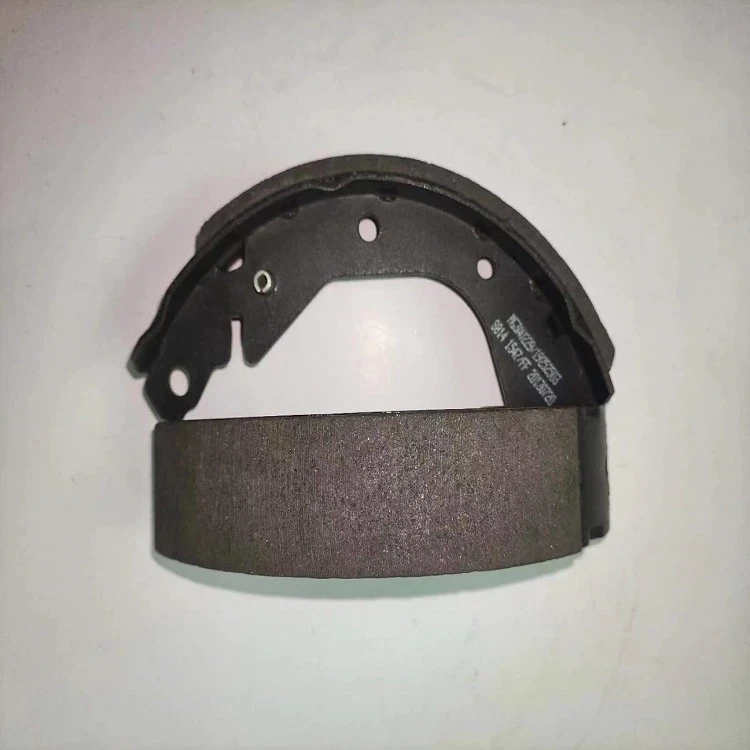
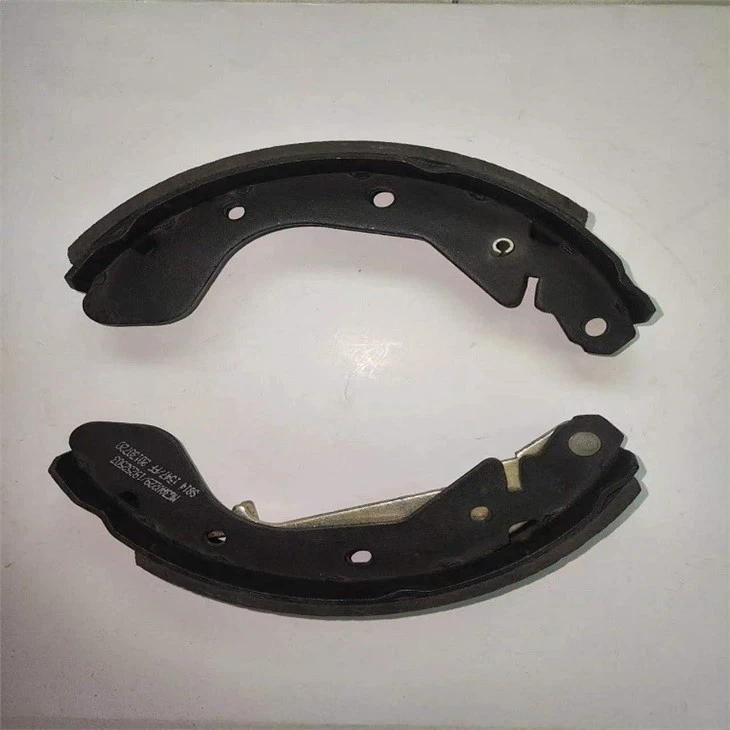
A typical brake pad consists of several key elements:
1. Friction Material: The core component pressed against the rotating brake disc (rotor). This composite material dictates the pad's performance characteristics.
2. Backing Plate: Usually made of steel, it provides structural integrity, transfers clamping force from the caliper piston evenly to the friction material, and often includes features for attachment (shims, clips).
3. Shims: Layers (often adhesive-backed metal or rubber) placed between the backing plate and the caliper piston/fingers. Their primary role is to dampen vibrations and reduce brake noise (squeal).
4. Attachment Hardware: Clips, springs, or pins that secure the pad within the caliper bracket, ensuring proper alignment and sometimes providing anti-rattle functions.
5. Wear Sensor (Optional): Some pads include an electrical sensor that triggers a dashboard warning light when the friction material wears down to a critical level.
The Science of Friction Materials:
This is where the magic (and complexity) lies. Friction materials are highly engineered composites, typically comprising 10-20 different ingredients bonded under heat and pressure. Key categories include:
Binders (Resins): Thermosetting resins (like phenolic resin) hold all the ingredients together. They must withstand high temperatures without decomposing excessively.
Structural Reinforcements (Fibers): Provide mechanical strength and integrity. Common types include steel wool, chopped glass fiber, aramid (Kevlar), carbon fiber, and mineral fibers (rockwool, basalt). Each offers different strength, thermal, and noise characteristics.
Friction Modifiers: Materials that directly generate friction and stabilize the friction coefficient. Historically, asbestos was used (now banned), replaced by metallic powders (iron, copper - now being phased down), graphite, cashew friction dust, and various mineral particles.
Fillers: Used to adjust cost, density, thermal conductivity, and manufacturability. Examples include barytes (barium sulfate), calcium carbonate, and vermiculite.
Abrasives: Materials like alumina (aluminum oxide) or silica help clean the rotor surface, maintain friction levels, and control transfer films, but excessive abrasion accelerates rotor wear.
Lubricants/Modifiers: Graphite and other soft metals act as solid lubricants under high temperatures, reducing noise and stabilizing friction. They also help manage the transfer layer on the rotor.
Major Brake Pad Types & Their Pros/Cons:
1. Non-Asbestos Organic (NAO):
Composition: Primarily organic materials (rubber, glass, Kevlar) bonded with resin. Low metallic content.
Pros: Quiet operation, low rotor wear, relatively inexpensive, low dust.
Cons: Lower high-temperature performance, faster wear rate, can fade under severe use. Best for everyday commuting.
2. Semi-Metallic:
Composition: 30-65% metallic content (steel, iron, copper) mixed with graphite lubricants and fillers.
Pros: Excellent high-temperature performance and fade resistance, good durability, effective heat dissipation. Good all-rounder.
Cons: Higher rotor wear potential, can be noisier, produce more dust, less effective at very low temperatures.
3. Ceramic:
Composition: Primarily ceramic fibers and fillers (like silica), non-ferrous metallic particles (copper being phased out), embedded in a resin matrix. Very low/no steel content.
Pros: Extremely quiet, very low dust (often light-colored), low rotor wear, consistent performance over a wide temperature range, excellent corrosion resistance (crucial for EVs).
Cons: Typically the most expensive, can have slightly lower initial "bite" at very low temperatures, extreme high-temperature performance might be lower than top-tier semi-metallics (though constantly improving).
4. Low-Metallic NAO: A hybrid between NAO and Semi-Metallic, offering a balance of performance, noise, and dust characteristics.
Key Performance Metrics:
Friction Coefficient (µ): The measure of stopping power. Higher µ means more friction/greater stopping force. Must be stable across temperatures (no fade).
Fade Resistance: Ability to maintain friction coefficient as temperatures rise dramatically during heavy braking. Critical for safety.
Wear Rate: How quickly the pad itself wears down. Affects longevity and cost of ownership.
Rotor Wear: How aggressively the pad wears the brake disc. Excessive wear increases maintenance costs.
Noise (NVH): Propensity for squealing, groaning, or judder. Highly undesirable and influenced by material formulation, shims, and system dynamics.
Dust Generation: Amount of particulate matter released during braking. Ceramics excel here; semi-metallics typically produce more (often dark, noticeable dust).
Cold Bite: Performance at very low ambient temperatures, crucial for initial stopping power in winter conditions.
Rotor Friendliness: Minimizing scoring, cracking, or excessive transfer film buildup on the disc.
Choosing the Right Pad:
The "best" pad depends entirely on the application:
Daily Commuting/Low Stress: NAO or Ceramic (for low dust/noise).
Performance Driving/Towing: Semi-Metallic or High-Performance Ceramic (for fade resistance).
Electric Vehicles: Primarily Ceramic (for low dust, corrosion resistance, compatibility with regen braking).
Heavy-Duty/Commercial: Specific formulations (often semi-metallic derivatives) for extreme durability and heat management.
The Importance of Quality and Compatibility:
Using cheap, substandard pads risks compromised safety (fade, poor bite), accelerated rotor wear, excessive noise, and increased dust. Always choose pads that meet or exceed the vehicle manufacturer's specifications (OEM-equivalent or better) and are designed for the specific vehicle make/model. Proper bedding-in procedures after installation are also crucial to establish an optimal transfer layer on the rotor and ensure peak performance and longevity.
Brake pads are a sophisticated blend of materials science and mechanical engineering, constantly evolving to meet new challenges in vehicle technology, safety regulations, and environmental demands. Understanding their composition and performance characteristics is key to appreciating their vital role in safe driving and making informed choices for vehicle maintenance.


