

The Unsung Hero of Vehicle Safety: A Comprehensive Guide to Brake Pads
Brake pads are a critical component of a vehicle's disc braking system, the primary safety system in modern automobiles. While their function seems straightforward-to create friction to stop the car-the technology, materials, and science behind them are complex and nuanced. Understanding these elements is key to making informed decisions about vehicle maintenance and safety.
The Fundamental Role and Types of Brake Pads
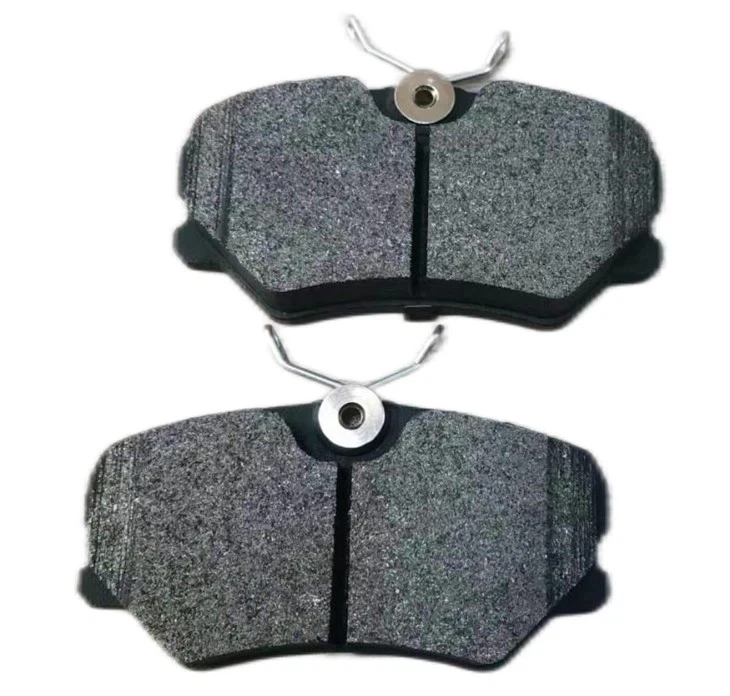
A brake pad is a steel backing plate with a friction material bonded to it. When the driver presses the brake pedal, hydraulic pressure forces a caliper to clamp the brake pads against a rotating disc (rotor). The resulting friction converts the vehicle's kinetic energy into thermal energy (heat), slowing and eventually stopping the vehicle.
The composition of the friction material is what defines the pad's characteristics. There are four primary types of brake pads available in the market today:
1. Non-Asbestos Organic (NAO): Once the standard, these pads are made from a mixture of fibers like glass, rubber, Kevlar, and carbon, bound with resin. They are typically softer, quieter, and gentler on brake rotors. However, they wear relatively quickly, produce more dust, and can fade under high-temperature, high-stress conditions like mountain driving or towing. They are best suited for sedans and light-duty city driving.
2. Semi-Metallic: These pads contain 30% to 65% metals, such as steel, iron, copper, and other composite materials. The metal content makes them more durable and provides excellent heat dissipation, reducing the risk of brake fade. This makes them a popular choice for performance vehicles, trucks, and SUVs. The downsides include increased noise, more abrasive wear on rotors, and poorer performance in very cold conditions.
3. Ceramic: Currently the premium choice for most modern vehicles, especially EVs and luxury cars, ceramic pads are made from a dense ceramic material embedded with copper or other non-copper filaments. Their key advantages are numerous: they are exceptionally quiet, produce very little visible dust (which is often light-colored and less damaging to wheels), and offer consistent performance across a wide temperature range. They are also longer-lasting than NAO pads. The main disadvantage is their higher cost.
4. Low-Metallic NAO: A sub-category, these pads contain a small amount of metal (usually 10-30%) to improve heat transfer and provide a firmer brake feel. They offer a good balance between performance and cost but are often noisier and dustier than pure ceramic formulations.
The Fundamental Role and Types of Brake Pads
Key Performance Metrics
When selecting brake pads, several performance metrics must be balanced:
· Friction Coefficient: A measure of the pad's "bite" or stopping power. It must be high enough for effective braking but not so aggressive that it causes lock-ups or a jerky feel.
· Wear Rate: How quickly the pad material wears down. A lower wear rate means longer service life.
· Noise, Vibration, and Harshness (NVH): A critical factor for driver comfort. Pads are engineered with chamfers, slots, and shims to dampen vibrations that cause brake squeal.
· Rotor Friendliness: How abrasive the pad is on the brake rotor. Softer pads extend rotor life but may wear out faster themselves.
Choosing the Right Brake Pad and Maintenance Tips
The "best" brake pad depends entirely on the vehicle and its usage.
· Daily Commuters/Family Sedans: Ceramic pads are often the ideal choice for their quiet, clean, and consistent performance.
· Performance Cars/Heavy-Duty Use: Semi-metallic pads are better suited to handle the intense heat generated during aggressive driving or towing.
· Older Economy Cars: NAO or low-metallic pads may offer a cost-effective solution that provides adequate performance.
Maintenance is non-negotiable for safety. Brake pads should be inspected at least once a year or as recommended in the vehicle's owner's manual. Most modern vehicles have wear sensors that will trigger a dashboard warning light. It is also a best practice to replace or resurface brake rotors when changing pads to ensure a proper mating surface and prevent premature wear or pulsation.
In conclusion, brake pads are a sophisticated fusion of chemistry and engineering. Moving beyond a simple commodity, the right choice involves a careful consideration of driving habits, vehicle type, and performance expectations, ensuring that this unsung hero of automotive safety performs its vital duty reliably every time.


