

New Innovations in Brake Pad Technology Revolutionize The Automotive Industry
In recent months, the automotive industry has witnessed a wave of exciting advancements in brake pad technology, promising enhanced safety, durability, and performance for vehicles of all types. These developments come at a time when safety on the roads is of paramount concern, and consumers are demanding more reliable braking systems.
One of the most significant breakthroughs has been the introduction of advanced composite materials in brake pad manufacturing. Traditional brake pads often face limitations in terms of heat resistance and wear - resistance. However, new composite materials, such as carbon - ceramic composites, are changing the game. These materials offer superior heat dissipation capabilities, which means they can maintain consistent braking performance even under extreme conditions, such as long - downhill drives or repeated high - speed braking. This not only reduces the risk of brake fade but also extends the lifespan of the brake pads, saving vehicle owners both time and money on replacements.

A leading automotive parts manufacturer, [Company Name], has been at the forefront of this innovation. Their research and development team has spent years perfecting a carbon - ceramic brake pad formula that combines the strength of carbon fibers with the heat - resistant properties of ceramics. According to [Spokesperson's Name], the company's chief engineer, "Our new brake pads represent a quantum leap in braking technology. They offer a 30% improvement in heat dissipation compared to conventional brake pads, and their wear rate is significantly reduced, ensuring a longer service life."
Another area of focus in brake pad technology is the development of intelligent brake pads. These are equipped with sensors that can monitor the thickness of the friction material in real - time. As the brake pads wear down, the sensors send alerts to the vehicle's onboard computer, which can then notify the driver through the dashboard display. This proactive approach to brake pad maintenance helps prevent unexpected brake failures and ensures that vehicle owners are always aware of the condition of their braking systems.
Major automotive brands are also taking notice of these technological advancements. [Car Brand Name], for example, has announced that it will be incorporating the latest intelligent brake pad technology into its new lineup of luxury vehicles. "Safety is our top priority," said [Brand Spokesperson's Name]. "By using these intelligent brake pads, we can provide our customers with an added layer of security and peace of mind on the road."
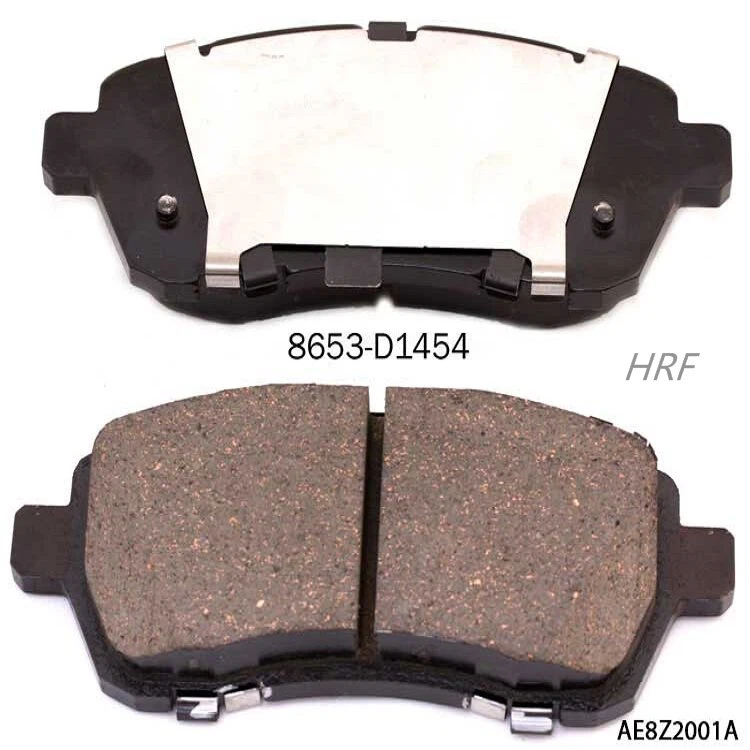
However, the adoption of these new brake pad technologies also comes with challenges. The cost of manufacturing carbon - ceramic brake pads, for instance, is relatively high compared to traditional ones. This may initially limit their widespread use to high - end and luxury vehicles. Additionally, the integration of sensors in intelligent brake pads requires complex electronic systems, which need to be reliable and cost - effective.
Industry experts believe that as the technology matures and economies of scale come into play, the cost of these advanced brake pads will gradually decrease, making them more accessible to a wider range of consumers. Moreover, the long - term benefits in terms of safety and reduced maintenance costs are likely to outweigh the initial investment for many vehicle owners.
In conclusion, the latest innovations in brake pad technology are set to have a profound impact on the automotive industry. From improved safety features to longer - lasting performance, these advancements are a step in the right direction towards making our roads safer. As research and development continue, we can expect even more exciting developments in the future, further enhancing the capabilities of braking systems and providing a smoother, safer driving experience for all.


