

Global Brake Pad Market Surges: Regulatory Pressure And EV Boom Reshape Friction Materials Industry
As copper-free mandates and electrification accelerate, modern manufacturing facilities are racing to meet unprecedented demand for high-performance, eco-friendly brake pads.
A New Era for Brake Pad Manufacturing
The global automotive brake pad market is undergoing its most significant transformation in decades. Valued at approximately USD 7.53 billion in 2025, the market is projected to reach USD 11.73 billion by 2035, growing at a compound annual growth rate (CAGR) of 4.4%, according to Global Market Insights Inc.. Technavio's latest forecast paints an even more aggressive picture, with the market expected to increase by USD 11.04 billion at a staggering CAGR of 10.4% from 2025 to 2030, driven by the ever-expanding global vehicle parc and rising average vehicle age. For brake pad factories worldwide, this signals an unprecedented opportunity-and immense pressure to adapt.
From Commodity to Engineering Precision
Brake pads, once viewed as routine consumable components, are now being repositioned as performance-critical safety and compliance systems. Modern friction materials are being engineered to align with vehicle efficiency targets, emission norms, and advanced braking technologies across passenger cars, commercial vehicles, and electric fleets. At the heart of this transformation is the global regulatory crackdown on copper and particulate emissions.
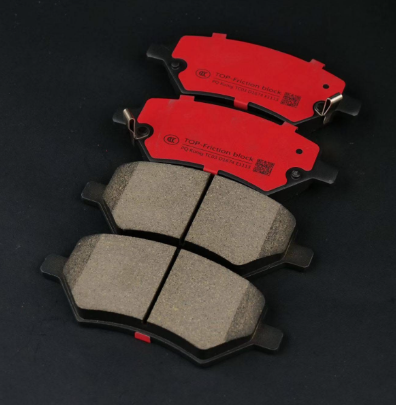
Euro 7 regulations, effective from 2025, cap brake particulate emissions at 7 mg/km and mandate copper content below 0.5% by weight, effectively making legacy copper-based formulations obsolete. California's "Better Brake Rule" has enforced similar limits since 2025, while China is drafting parallel thresholds mirroring EU standards. Brake pad factories that have already completed copper-free validation now enjoy a clear competitive advantage, while late movers face costly reformulation and production downtime.
Electrification Reshapes Wear Patterns
The accelerating adoption of electric vehicles is introducing structural changes to brake pad demand. EVs utilize regenerative braking systems that capture kinetic energy during deceleration, significantly reducing mechanical brake usage and extending replacement cycles. Electric sedan drivers can typically go over twice the distance before their first brake pad change compared to conventional vehicles. However, EV-specific brake pads must be designed with corrosion-resistant materials and low-noise optimization to compensate for reduced friction engagement and longer service intervals. This is creating a specialized, high-growth niche for forward-thinking factories.
Supply Chain Shifts and Global Factory Expansion
Major industry players are making strategic moves to strengthen their manufacturing footprints. In January 2026, TMD Friction signed an agreement to establish its China headquarters and Asia R&D center in Pinghu, Zhejiang province, with production of disc brake pads, drum brake shoes, and racing brake pads set to begin in mid-2026. Meanwhile, Friction One opened a state-of-the-art facility in Juarez, Mexico, with brake pad capacity expected to rise to 16 million sets per year. In Thailand, Winhere broke ground on a new high-quality brake pad manufacturing base specifically supporting exports to the US market. ITT Inc. also announced plans to expand its friction production facility in Italy to serve the high-performance brake pad segment, entering a 10-year agreement to supply sustainable copper-free and ceramic pads.
The Factory Advantage
For established brake pad factories, this market environment rewards technical capability and scale. Manufacturers are investing heavily in automated production lines, precision mixing systems, and advanced quality control to ensure batch-to-batch consistency and compliance with ECE-R90, DOT, and ISO standards. The global vehicle parc-estimated at around 1.4 billion units in 2024-ensures robust aftermarket demand, with the Asia-Pacific region accounting for 46.8% of market growth.
As environmental regulations tighten and EV adoption accelerates, brake pad factories that have embraced copper-free formulations, advanced ceramic composites, and automated manufacturing are positioned to lead the industry. The message is clear: the brake pad market is no longer about basic replacement parts. It is about engineered safety, environmental responsibility, and technological innovation-all manufactured at scale, in modern factories ready for the future.


