

Brake Pad Industry Achieves Multiple Breakthroughs: Zero Non-Conformity in Supervision And Intelligent Technology Reshapes Safety Landscape
Recently, the quality inspection results of automotive brake linings released by the Suzhou Municipal Administration for Market Regulation (Jiangsu Province) showed that all 9 batches of products from enterprises including Nisshinbo Sylon and KB Brakes passed the tests, with a zero non-conformity rate for samples from both manufacturers and physical stores. This result not only confirms the stability of the quality of domestic brake pad products but also echoes the simultaneous industrial technological innovation and market expansion, depicting a clear picture of the high-quality development of China's brake pad industry.
Supervision Fortifies Safety Bottom Line, Outstanding Regional Quality Performance
This Suzhou municipal-level inspection covered two major channels: manufacturers and offline physical stores, involving multiple categories such as traditional metal brake pads and high-end ceramic brake pads. From the results, products produced by local enterprises including Dawn Brake (Suzhou) Co., Ltd., as well as accessories supplied by non-local enterprises such as Dezhou Puli Si Auto Parts Co., Ltd. and Hangzhou Annet Auto Parts Co., Ltd., all passed the rigorous tests. A staff member from the market supervision department stated, "The 'zero non-conformity' result benefits from the improvement of enterprises' quality control systems and the upgrading of testing technology. Next, we will promote the establishment of a cross-regional quality traceability mechanism."
Similar quality control measures are being rolled out nationwide. In the recently approved brake pad capacity expansion project of Quanzhou Yusheng Locomotive Parts Co., Ltd. (Fujian Province), explicit requirements have been set to equip bag filters, activated carbon waste gas treatment facilities, etc. Emissions of particulate matter and VOCs must comply with multiple national and local standards, enabling an annual new capacity of 1.8 million sets while maintaining controllable total pollutant emissions. This approval orientation of "dual compliance with quality and environmental protection" has become a universal requirement for industry access.
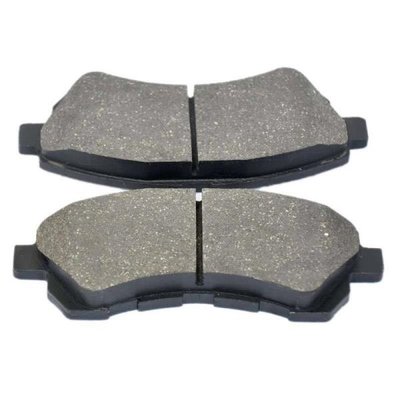
Intelligent Technology Breaks Bottlenecks, Comprehensive Upgrade of Braking Performance
Behind the quality improvement lies the intelligent innovation of production processes. The automatic weight removal and dynamic balancing technology launched by Shanghai Shenke Dynamic Balancer Manufacturing Co., Ltd. is subverting the traditional brake pad production model. This technology identifies quality deviations through high-precision 3D scanning, plans the optimal weight removal path with AI algorithms, and achieves precise correction via laser cutting. The processing time per unit has been reduced from several minutes to 10 seconds, and the yield rate has increased to over 99.5%.
Experimental data shows that brake pads applying this technology can shorten the emergency braking distance by 5%-8% while eliminating pedal vibration during low-speed braking, making them particularly suitable for the braking needs of new energy vehicles under regenerative braking conditions. "Abnormal noise and brake disc wear caused by uneven quality of traditional brake pads will be eradicated through intelligent production," noted an industry technical expert. Currently, mainstream international automakers have incorporated this technology into their component access standards, and it is expected that the global penetration rate of dynamic balancing brake pads will exceed 65% by 2025.
Explosive Growth of New Energy Market, In-depth Adjustment of Global Pattern
Technological iteration and quality upgrading are simultaneously activating the new energy vehicle brake pad market. According to a report released by QYR Consulting, the global new energy vehicle brake pad market revenue reached 11.98 billion yuan in 2024 and is expected to approach 21.01 billion yuan by 2031, with a compound annual growth rate (CAGR) of 8.7% from 2025 to 2031. This growth is driven by the rising ownership of new energy vehicles and the adaptability of specialized brake pads to the characteristics of electric vehicles, such as "high instantaneous torque and high braking frequency."
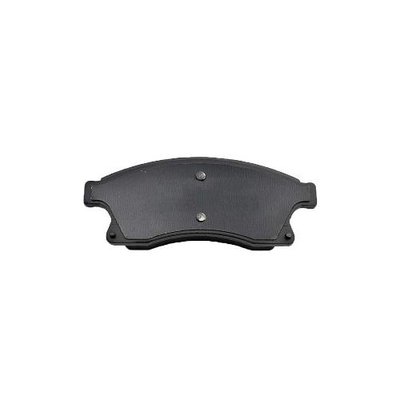
Changes in the global trade pattern have added new variables to the market. Affected by adjustments to U.S. tariff policies, international giants such as Bosch and Brembo have successively adjusted their production layouts, transferring some production lines to member countries of the North American Free Trade Agreement (NAFTA) such as Mexico. Meanwhile, Chinese enterprises are accelerating their overseas expansion. On the basis of meeting domestic market demand, they are exploring emerging markets in Southeast Asia, South America, etc., through technological output. Industry analysts pointed out, "The combination of intelligent technology reserves and cost advantages will help Chinese enterprises occupy a more important position in global market competition."
From supervision guarantee to technological breakthroughs, and from traditional manufacturing to intelligent upgrading, China's brake pad industry is undergoing an all-round transformation. With the in-depth application of technologies such as digital twins and adaptive learning, as well as the continuous tightening of environmental regulations, brake pad products with both safety performance and green attributes will become the core driving force for the safety upgrading of the automotive industry.


