

Beyond Stopping Power: Brake Pad Industry Navigates the EV Era and the Push for Copper-Free Formulations
Brake pads are a critical component of a vehicle's disc braking system, a cornerstone of modern automotive safety. They are the replaceable friction pads in a disc brake system, which work by clamping onto a rotating metal disc (the rotor) to create the friction necessary to slow or stop the vehicle.
1. Key Components and Function:
A brake pad is composed of two main parts:
· Backing Plate: A sturdy metal plate that provides structural support and transfers the force from the brake caliper piston.
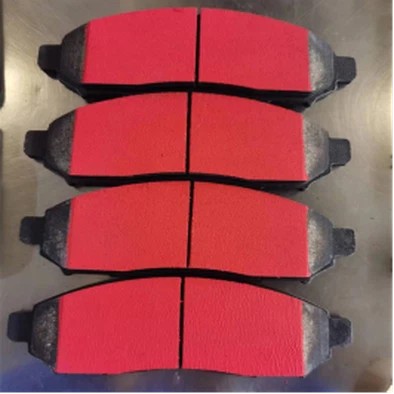
· Friction Material: A complex composite material bonded to the backing plate. This material is engineered to create consistent friction while withstanding extreme heat and wear.
The process is a conversion of energy: the vehicle's kinetic energy (motion) is transformed into thermal energy (heat) through friction between the pad and the rotor. This heat is then dissipated into the air.
2. Types of Brake Pads and Their Materials:
The performance, noise, dust, and longevity of brake pads are largely determined by their friction material. The primary types are:
· Organic (Non-Asbestos Organic - NAO): Made from a mixture of fibers like glass, rubber, and Kevlar, bonded with resin. They are generally softer, quieter, and produce less dust than metallic pads. However, they wear faster and can degrade under high-temperature, performance-driving conditions.
· Semi-Metallic: Composed of 30% to 65% metals like steel, iron, and copper, mixed with graphite lubricants and other fillers. They are more durable, provide better heat dissipation and braking performance at higher temperatures than organic pads. Their downsides include increased noise, more brake dust, and can be harder on the brake rotors, causing more wear.
· Low-Metallic NAO: A subtype of organic pads that includes a small amount of copper or steel to improve heat transfer and performance. They offer a good balance but can be dusty.
· Ceramic: The premium choice for many modern vehicles. Made from dense ceramic compounds with embedded copper or other metal fibers. Ceramic pads are known for being exceptionally quiet, producing very little visible dust, and offering stable performance across a wide temperature range. They are also easier on the rotors. The primary disadvantage is their higher cost.
3. Market Trends and Drivers:
The global brake pad industry is influenced by several key factors:
· Vehicle Production and Parc: The overall number of vehicles on the road (the parc) and annual production volumes directly drive demand for both OEM (Original Equipment Manufacturer) and aftermarket brake pads.
· Rise of Electric and Hybrid Vehicles (xEVs): EVs present a unique challenge and opportunity. They are heavier due to their batteries, requiring robust braking systems. However, regenerative braking-which uses the electric motor to slow the car and recharge the battery-significantly reduces the workload on traditional friction brakes. This leads to less frequent brake pad replacements but demands pads that can handle corrosion from disuse and perform effectively when needed.
· Regulations and Environmental Concerns: Stricter safety standards are a constant driver. Furthermore, there is growing regulatory pressure concerning brake dust, specifically particulate matter (PM) emissions. Copper, a common and effective material in brake pads, has been identified as an environmental pollutant, leading to legislation (like California's SB 346) to phase out its use. This is pushing R&D towards novel, copper-free friction materials.
· Technological Advancements: The industry is moving towards smarter, more integrated products. This includes the development of sensor-embedded pads for wear indication and materials compatible with Advanced Driver-Assistance Systems (ADAS), which require precise and reliable braking performance.


